
Ingredients
To create your own Sunday-Table Rustic Ciabatta, you will need the following ingredients:
3 1/4 cups bread flour
2 1/4 tsp active dry yeast
2 tsp salt
1 1/2 cups lukewarm water
1 tbsp olive oil (for greasing)
Optional ingredient substitutions:
If you prefer a whole-grain version, you can substitute half of the bread flour with whole wheat flour for added nuttiness and fiber.
For a herb-infused ciabatta, consider adding dried rosemary or oregano to the dough for a fragrant twist.
Experiment with different types of salt, such as sea salt or Himalayan pink salt, to enhance the flavor profile of your bread.
For a richer taste, substitute olive oil with melted butter or infused oils like garlic or chili oil.
Step-by-Step Instructions
1. In a large mixing bowl, combine the bread flour, yeast, and salt. Mix well to distribute the yeast evenly.
2. Slowly add the lukewarm water to the dry ingredients, stirring with a wooden spoon until a shaggy dough forms.
3. Cover the bowl with a damp kitchen towel and let the dough rest for 1 hour to allow the yeast to activate and the gluten to develop.
4. After the resting period, the dough should be sticky and elastic. Transfer it to a well-floured surface and fold it gently to shape it into a rough rectangle.
5. Fold the dough in thirds like a letter, then rotate it 90 degrees and fold it again. Repeat this process a few times to build structure in the dough.
6. Place the shaped dough on a parchment-lined baking sheet, cover it with a kitchen towel, and let it rise for another 45 minutes until puffy.
7. Preheat your oven to 450°F (230°C) with a baking stone or an upside-down baking sheet inside to create steam during baking.
8. Slash the top of the risen dough with a sharp knife to allow for expansion, then transfer it to the preheated baking surface using the parchment paper as a sling.
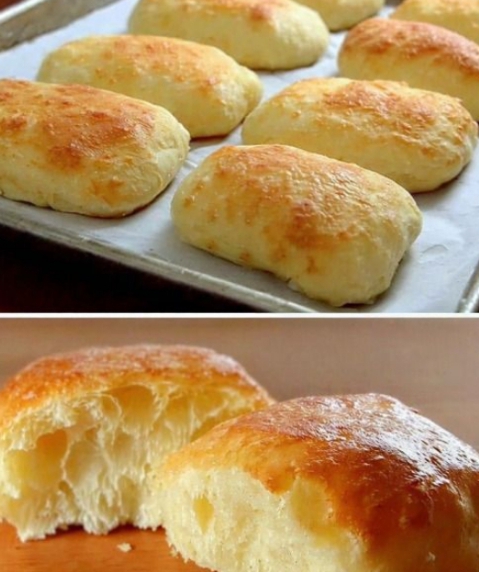
9. Bake the ciabatta for 25-30 minutes or until golden brown and sounds hollow when tapped on the bottom.
Expert Tips for Success
• Use bread flour instead of all-purpose flour for a higher protein content that creates a chewier texture in the ciabatta.
• Ensure the water temperature is around 110°F (43°C) to activate the yeast effectively without killing it.
• Resist the temptation to add extra flour during kneading; the dough should be sticky but manageable to work with.
• For a crustier ciabatta, place a pan of hot water in the oven while baking to create steam that enhances crust formation.
Variations and Substitutions
• For a savory twist, add caramelized onions and grated Parmesan cheese to the dough before shaping the ciabatta.
• Experiment with different flour blends, such as spelt flour or rye flour, to create unique flavor profiles in your bread.
• Swap out the olive oil for infused oils like truffle oil or roasted garlic oil for an elevated taste experience.
• To make a gluten-free version, use a gluten-free flour blend and add xanthan gum to improve the dough’s structure.
Serving Suggestions
Serve your freshly baked Sunday-Table Rustic Ciabatta warm with a drizzle of extra virgin olive oil, balsamic vinegar, and a sprinkle of flaky sea salt for a simple yet satisfying appetizer.
Pair the ciabatta with a selection of cured meats, cheeses, olives, and roasted vegetables for a Mediterranean-inspired charcuterie board that will impress your guests.
Toast leftover slices of ciabatta and use them as a base for bruschetta toppings, such as diced tomatoes, basil, garlic, and olive oil, for a quick and flavorful snack.
For a hearty meal, turn your ciabatta into a sandwich filled with grilled vegetables, pesto, fresh mozzarella, and arugula for a burst of Italian flavors in every bite.