

Learn everything you need to know about magnesium in your diet, including its benefits, top food sources, and much more!Everything To Know About Magnesium In Your Diet
Magnesium is a vital mineral that your body needs for numerous functions, including energy production, muscle and nerve activity, and maintaining strong bones. It helps regulate over 300 enzymatic reactions, which makes it a behind-the-scenes worker that keeps everything from your heart rhythm to your metabolism in check.
Since the body can’t produce magnesium on its own, it must be obtained from food or supplements. The recommended daily intake for adults varies between 310–420 mg depending on age and gender, but many people fall short due to modern diets heavy in processed foods.
Pro Tip: Magnesium works best when balanced with other minerals like calcium, potassium, and D, so aim for a nutrient-rich diet rather than relying on one source.
Benefits of Magnesium
1. Supports Heart HealthSupports Heart Health
Magnesium helps regulate blood pressure and maintains a steady heartbeat. that people who get enough magnesium have a lower risk of heart disease and stroke. By relaxing blood vessels and reducing inflammation, it keeps your cardiovascular system strong.
It also prevents calcium build-up in arteries, which can otherwise lead to hardening and blockages over time.
2. Improves Sleep Quality
If you struggle with insomnia or restless nights, magnesium may help. It plays a role in activating the parasympathetic nervous system, which is the part that enables you to relax. It will also support the production of melatonin, which is the sleep hormone.
Remember that a magnesium-rich evening snack or supplement can help you drift off more easily.
Pro Tip: Many people find that pairing magnesium with a bedtime routine like herbal tea or meditation enhances its calming effect.
3. Eases Muscle Cramps and Spasms
If you are an athlete or and active individual, you can turn to magnesium to prevent cramps. It helps muscles contract and relax properly by balancing calcium in muscle fibers. Low magnesium is a common culprit behind leg cramps and twitching.
also suggest that magnesium can speed recovery from exercise, reducing post-workout soreness and stiffness.
4. Reduces Stress and Anxiety
Magnesium has a calming effect on the brain and nervous system by regulating like GABA, which promote relaxation. This is why adequate intake is linked to reduced stress and lower anxiety levels.
It’s sometimes called “nature’s chill pill” because of its ability to regulate the body’s stress response and lower cortisol levels naturally.
5. Strengthens Bones
Calcium gets most of the credit for bone health, but magnesium is just as important. About 60% of the body’s magnesium is stored in bones, where it contributes to bone density and strength. Without enough magnesium, the calcium absorption in your body will also decrease.
Long-term deficiency has even been linked to osteoporosis, making magnesium just as essential as calcium for lifelong bone health.
6. Supports Energy ProductionSupports Energy Production
Every cell in your body needs magnesium to create ATP—the main energy molecule. Low magnesium often leads to fatigue, weakness, or low endurance. Ensuring enough magnesium in your diet helps keep your energy levels stable throughout the day.
Magnesium-rich foods are particularly important for athletes, as they help prevent energy dips during physical activity.
7. Balances Blood SugarFoods Rich in Magnesium
Magnesium improves insulin sensitivity, which helps regulate your blood sugar levels that people with higher magnesium intake have a lower risk of developing type 2 diabetes.
Some experts recommend magnesium-rich diets as part of managing prediabetes, since it helps the body process carbohydrates more efficiently.
Foods Rich in Magnesium
Dark Leafy Greens (Spinach, Swiss Chard, Kale): A single cup of cooked spinach provides about 150 mg of magnesium, nearly half the daily requirement for women. Leafy greens also provide chlorophyll, which contains magnesium at its core.
Pro Tip: These greens are best lightly steamed to preserve nutrients.
Nuts and Seeds (Almonds, Pumpkin Seeds, Sunflower Seeds): Just 1 ounce (about a handful) of pumpkin seeds packs 150–170 mg of magnesium. Almonds and sunflower seeds are also rich in magnesium and healthy fats, making them ideal as snacks.
Legumes (Black Beans, Lentils, Chickpeas): One cup of cooked black beans contains about 120 mg of magnesium. Legumes are also high in fiber and plant protein, making them a heart-friendly option.
Whole Grains (Quinoa, Brown Rice, Oats): Quinoa is particularly impressive, with one cup cooked providing 118 mg of magnesium. Oats and brown rice also contribute significantly when included in daily meals.
Dark Chocolate: Yes, your favorite treat is also a magnesium star. A 1-ounce piece of dark chocolate (70–85% cocoa) provides around 65 mg of magnesium, plus antioxidants.
Fatty Fish (Mackerel, Salmon, Halibut): A serving of mackerel delivers 80–90 mg of magnesium, along with omega-3 fatty acids that further support heart and brain health.
Fish also contains vitamin D, which works hand in hand with magnesium to strengthen bones and improve calcium absorption.
Natural Supplements For MagnesiumNatural Supplements For Magnesium
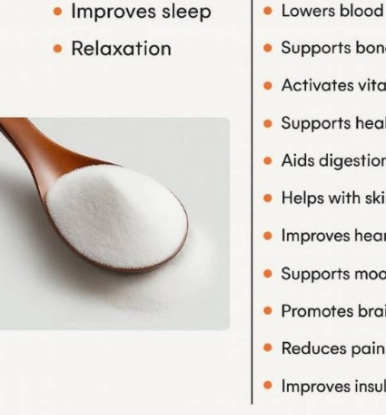
There are natural supplements and even oils that can help boost magnesium levels when diet alone isn’t enough. Magnesium supplements are available in forms like magnesium citrate, glycinate, and oxide, with citrate and glycinate being the most easily absorbed and gentle on the stomach.
Beyond pills and powders, you can use magnesium oil, made from magnesium chloride flakes mixed with water, which is applied topically to the skin. Many people use magnesium oil sprays on their legs or feet before bed to ease muscle cramps and promote better sleep.
Pro Tip: Always start with small amounts, as magnesium oil can cause a mild tingling sensation at first; applying it after a shower helps improve absorption.
Now you know almost all about magnesium in your diet. So, dont wait to introduce it to your diet, and also let us know how it helped you!